Treated by Dr Bhavana
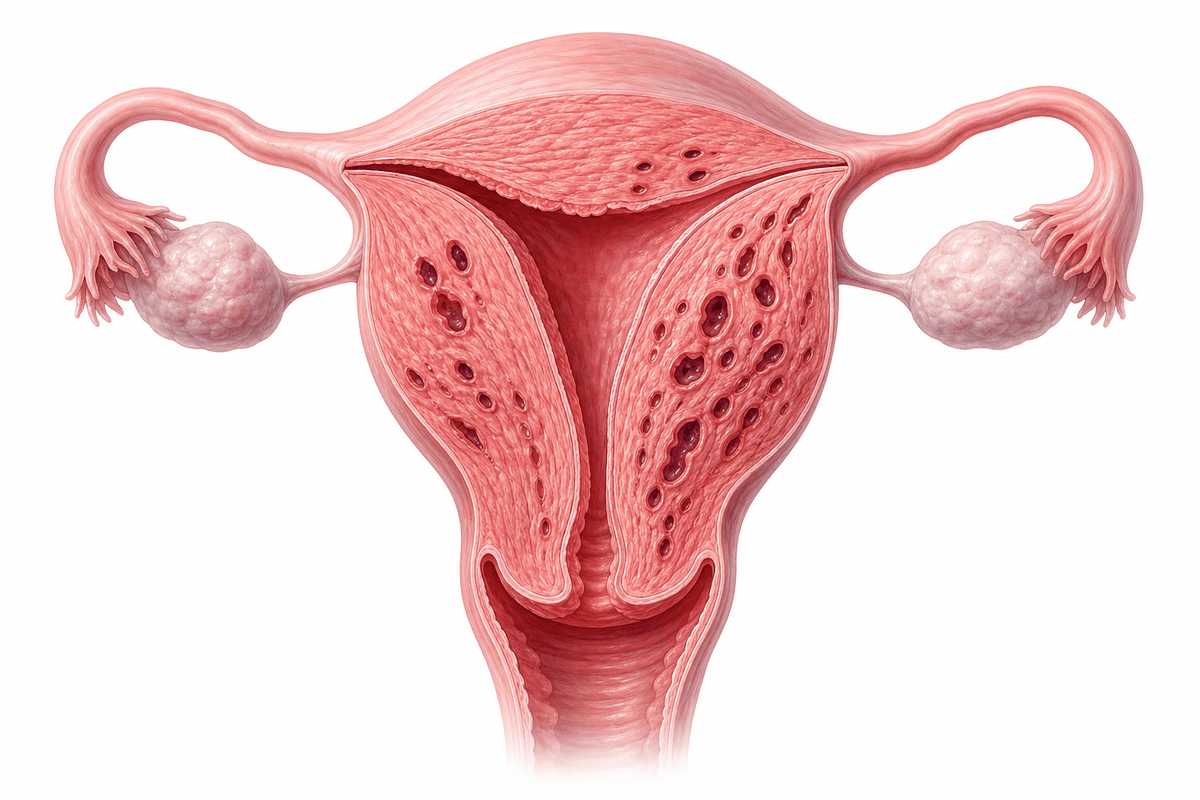
Adenomyosis is a condition in which the tissue that normally lines the inside of the uterus (the endometrium) grows into the muscular wall of the uterus. This can cause the uterus to become enlarged and lead to heavy or prolonged menstrual bleeding, severe cramps, and pelvic pain. Dr Bhavana offers thorough evaluation and individualised care plans to help manage symptoms and support reproductive health.
The endometrial tissue is spread throughout the muscle wall of the uterus, often causing uniform enlargement.
The tissue is concentrated in one area, forming a localised mass within the uterine wall.
The tissue remains close to the endometrium without invading deeply into the muscle layer.
Multiple factors can contribute to the development and progression of this condition.
Recognising the signs early gives you more treatment options.
Diagnosis begins with a detailed menstrual and pain history, followed by pelvic examination. Imaging such as ultrasound or MRI helps confirm the diagnosis, though not every patient requires every test.
From conservative to surgical — we always start with the least invasive option first.
A structured, patient-first approach from first visit to full recovery.
Dr Bhavana takes time to understand your menstrual pattern, pain symptoms, and how they affect your daily life and fertility goals.
Ultrasound is arranged to assess the uterus, and additional imaging or blood tests are ordered only when needed to guide your care.
Treatment is planned based on symptom severity, your age, and whether you wish to preserve fertility, starting with the least invasive options.
Regular follow-up ensures the chosen approach is working, with adjustments made as your symptoms or circumstances change.
What to expect at each phase of recovery.
With medical management, most patients notice improvement in bleeding and pain within a few menstrual cycles, though individual responses vary.
Adjustments to medication type or dose may be needed based on symptom relief and tolerability, with regular check-ins to track progress.
Adenomyosis is a chronic condition, and ongoing care helps maintain symptom control and quality of life, with treatment adapted to life stage and goals.
Many patients experience meaningful reduction in heavy bleeding and pain with appropriate treatment, improving daily function and wellbeing.
Adenomyosis can affect fertility, and while some treatments help manage symptoms, their impact on conception varies. Individual assessment and discussion are important.
Hormonal treatments provide symptom control but do not cure adenomyosis. Symptoms may return after medication is stopped, and not all patients respond equally.
Managing adenomyosis can restore the ability to participate in work, social activities, and exercise that heavy periods or pain may have limited.
Untreated adenomyosis can lead to ongoing heavy menstrual bleeding, which over time may cause anaemia and persistent fatigue. Chronic pelvic pain and severe cramping can significantly affect quality of life, work, and relationships. While adenomyosis is not life-threatening, leaving it unmanaged means missing the opportunity to reduce symptoms and improve daily function.
Seek care if your menstrual periods have become significantly heavier, longer, or more painful than before, especially if they interfere with daily activities. It is also important to consult a doctor if you experience pelvic pain outside of menstruation, pain during intercourse, or symptoms of anaemia such as fatigue and dizziness. Early assessment allows for timely management and prevents complications.
Early treatment means more options and better outcomes. Book a consultation to understand your condition and explore the right path forward.