Treated by Dr Bhavana
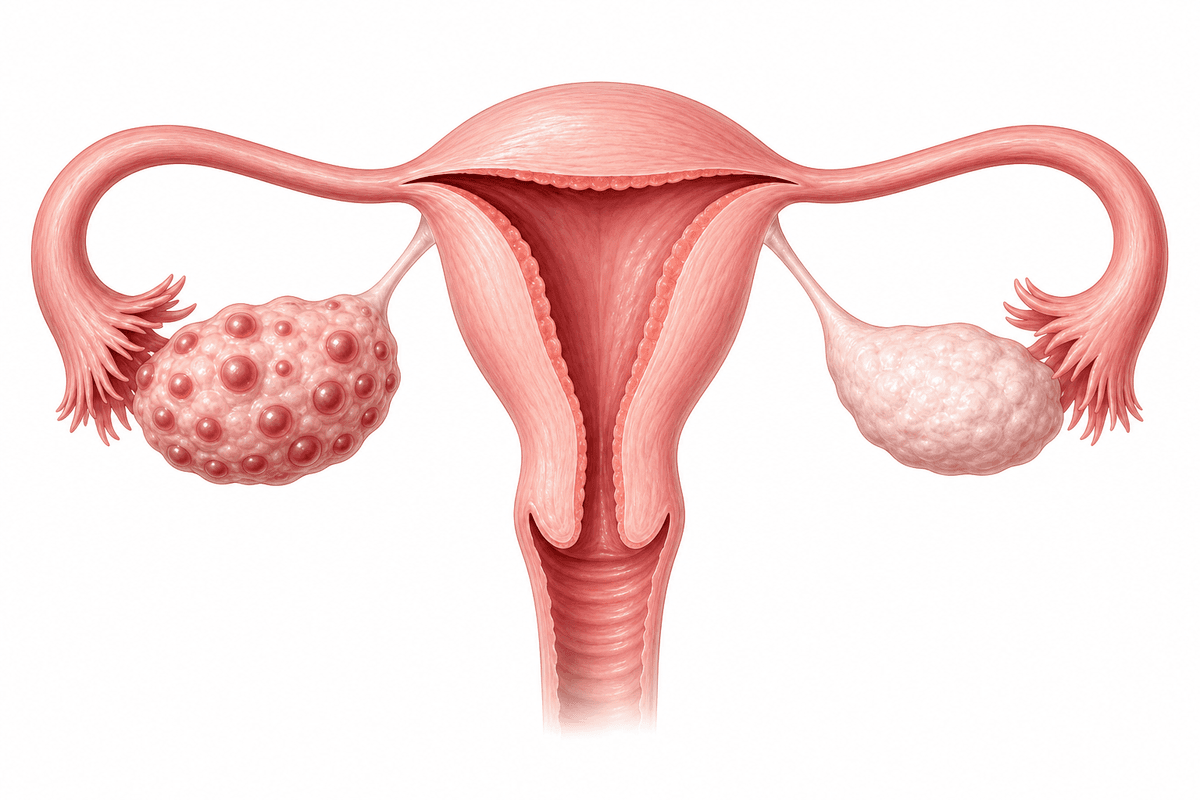
Polycystic Ovary Syndrome (PCOS), also called PCOD, is a hormonal condition that affects how the ovaries work. Women with PCOS may have irregular periods, higher levels of male hormones (androgens), and small fluid-filled sacs (cysts) in the ovaries. It can affect fertility, weight, skin, and long-term health. Dr Bhavana provides individualized evaluation and management to help patients understand their symptoms and explore treatment options suited to their needs.
This type involves high insulin levels, which can lead to weight gain, difficulty losing weight, and increased risk of diabetes. It is the most common form of PCOS.
Some women experience irregular cycles and hormonal imbalance after stopping birth control pills. Symptoms may resolve over time as the body readjusts.
Chronic low-grade inflammation contributes to hormone imbalance in this type. Women may experience fatigue, headaches, and joint discomfort alongside reproductive symptoms.
Multiple factors can contribute to the development and progression of this condition.
Recognising the signs early gives you more treatment options.
Diagnosis begins with a detailed medical history, menstrual pattern review, and physical examination. Investigations such as blood tests and ultrasound are used to assess hormone levels and ovarian appearance. Not every patient requires every test; evaluation is tailored to individual symptoms and concerns.
From conservative to surgical — we always start with the least invasive option first.
A structured, patient-first approach from first visit to full recovery.
Dr Bhavana takes a comprehensive medical and menstrual history, performs a physical examination, and orders relevant blood tests and ultrasound to confirm the diagnosis and understand the individual presentation.
Based on the evaluation findings and the patient's goals—whether managing symptoms, regulating cycles, or achieving pregnancy—Dr Bhavana develops a tailored plan that may include lifestyle guidance, medications, or fertility treatments.
Treatment response is monitored through follow-up visits, repeat investigations, and symptom review. The plan is adjusted as needed to ensure good outcomes and address any new concerns.
Dr Bhavana emphasizes the importance of managing metabolic health, including blood sugar and cardiovascular risk, and provides guidance on maintaining well-being beyond reproductive concerns.
What to expect at each phase of recovery.
The first few months focus on establishing healthy eating patterns, regular exercise, and weight management. Symptoms such as irregular cycles may begin to improve during this time, though individual response varies.
With consistent lifestyle changes and appropriate medications, most women experience more regular menstrual cycles, reduced acne, and improved metabolic markers over several months. Ongoing adherence is important.
PCOS is a chronic condition that requires long-term attention. Continued healthy habits, periodic monitoring of metabolic health, and adjustments to treatment as life circumstances change help maintain well-being over the years.
Many women achieve more regular periods and reduced symptoms such as acne and excess hair growth with appropriate treatment. However, some symptoms may persist and require ongoing management.
Ovulation induction and assisted reproductive techniques can help many women with PCOS conceive. Success depends on individual factors, and not all patients will achieve pregnancy despite treatment.
Lifestyle changes and medications can improve insulin sensitivity and reduce the risk of diabetes and cardiovascular disease. Long-term health outcomes depend on sustained adherence to healthy habits.
While treatment can manage symptoms and improve quality of life, PCOS cannot be cured. Some features, such as polycystic ovaries on ultrasound or a predisposition to metabolic issues, may remain despite treatment.
Untreated PCOS can lead to prolonged irregular or absent periods, ongoing fertility challenges, and worsening of symptoms such as weight gain and excess hair growth. Over time, untreated insulin resistance increases the risk of type 2 diabetes, high blood pressure, high cholesterol, and cardiovascular disease. Early intervention and ongoing management help reduce these risks and improve quality of life.
You should see a doctor if you have irregular periods lasting more than 35 days, difficulty conceiving after several months of trying, or symptoms such as excess hair growth, severe acne, or unexplained weight gain. Early evaluation helps identify PCOS and other possible causes, allowing for timely and appropriate management tailored to your needs.
Early treatment means more options and better outcomes. Book a consultation to understand your condition and explore the right path forward.