Treated by Dr Bhavana
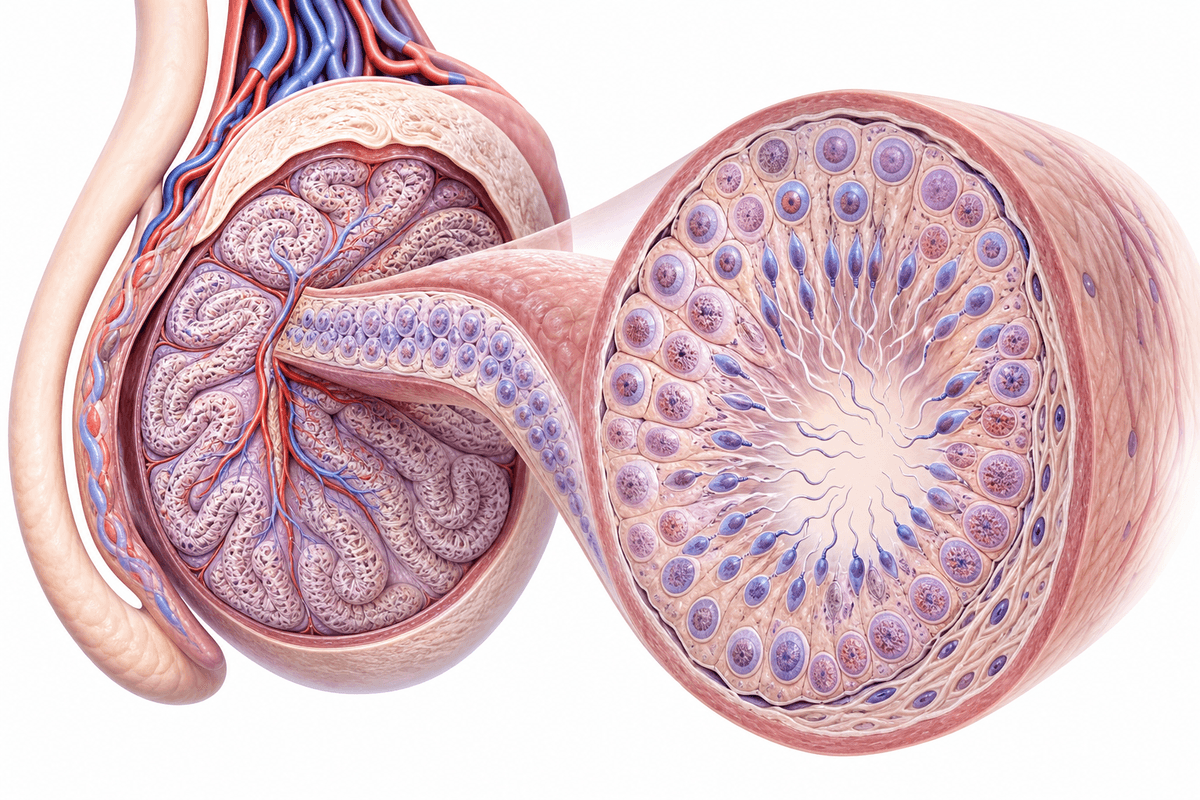
Male infertility in Kompally, Hyderabad affects approximately 40-50% of couples struggling to conceive, representing a significant reproductive health concern. This condition occurs when a man has difficulty contributing to conception due to issues with sperm production, function, or delivery. Dr Bhavana, an experienced IVF specialist, provides comprehensive evaluation and advanced treatment options for male infertility at her clinic in Kompally.
A condition characterized by low sperm count in the ejaculate, typically defined as fewer than 15 million sperm per milliliter of semen. This is one of the most common causes of male factor infertility and can result from hormonal imbalances, varicocele, infections, or lifestyle factors.
The complete absence of sperm in the ejaculate, which can be either obstructive (blockage preventing sperm release) or non-obstructive (testicular failure to produce sperm). This condition requires specialized diagnostic workup and may need surgical sperm retrieval techniques for fertility treatment.
A condition where sperm have poor motility or reduced ability to move effectively toward the egg. Even with normal sperm count, decreased motility significantly reduces the chances of natural conception and may require assisted reproductive technologies like IUI or ICSI.
Multiple factors can contribute to the development and progression of this condition.
Male Infertility develops gradually. Recognising symptoms early gives you more treatment options.
From conservative to surgical — we always start with the least invasive option first.
A structured, patient-first approach from first visit to full recovery.
Dr Bhavana begins with a detailed medical and sexual history, physical examination, and comprehensive semen analysis to evaluate sperm count, motility, and morphology. Hormonal blood tests and genetic screening may be ordered to identify underlying causes of infertility.
Based on initial findings, Dr Bhavana may recommend specialized tests including scrotal ultrasound to detect varicocele, post-ejaculatory urinalysis to check for retrograde ejaculation, or specialized sperm function tests to assess fertilization potential.
Dr Bhavana develops an individualized treatment protocol based on the specific diagnosis, severity of infertility, female partner's fertility status, and couple's preferences. Treatment options are thoroughly explained with realistic success rates and timelines.
Throughout the treatment journey, Dr Bhavana provides continuous monitoring, adjusts protocols as needed, and offers emotional support and counseling. Regular follow-up ensures optimal treatment outcomes and addresses any concerns that arise during the fertility treatment process.
What to expect at each phase of recovery.
For lifestyle modifications and medical management, patients typically see improvements in sperm parameters within 2-3 months, as sperm production cycle takes approximately 72 days. Regular follow-up semen analysis tracks progress and treatment effectiveness.
After surgical sperm retrieval procedures, patients may experience mild discomfort, swelling, or bruising for 3-7 days. Rest is recommended for 24-48 hours, with gradual return to normal activities. Ice packs and pain medications help manage post-operative symptoms.
Following IUI or IVF-ICSI procedures, the two-week wait until pregnancy testing is emotionally challenging. Dr Bhavana provides guidance on activity restrictions, medication protocols, and early pregnancy symptoms to watch for during this critical period.
With appropriate medical management and lifestyle modifications, many men experience significant improvements in sperm count, motility, and morphology within 3-6 months of treatment initiation, enhancing natural conception chances or improving assisted reproduction success rates.
ICSI achieves fertilization rates of 70-80% even in cases of severe male factor infertility, providing excellent chances of embryo formation when adequate quality eggs are available from the female partner.
Depending on the treatment method and individual factors, pregnancy success rates range from 10-20% per IUI cycle to 40-50% per IVF-ICSI cycle for appropriate candidates, with cumulative success rates increasing over multiple treatment attempts.
With Dr Bhavana's comprehensive approach combining diagnostic precision, advanced techniques, and personalized care, the majority of couples with male infertility can achieve their goal of parenthood through appropriate fertility treatments and persistence.
Untreated male infertility leads to continued inability to conceive naturally, causing significant emotional stress, relationship strain, and psychological impact on couples trying to build a family. While male infertility itself does not typically cause physical health deterioration, some underlying causes such as hormonal imbalances or testicular tumors may have broader health implications if left undiagnosed and untreated. Delayed treatment also reduces the window of opportunity for fertility interventions, particularly as female partner age advances.
Couples should consult Dr Bhavana if they have been unable to conceive after 12 months of regular unprotected intercourse, or after 6 months if the female partner is over 35 years old. Men should seek earlier evaluation if they have known risk factors such as history of testicular injury, childhood mumps, hernias, sexual dysfunction, previous chemotherapy or radiation, or a family history of fertility problems. Immediate consultation is recommended for couples pursuing family planning who have concerns about male fertility potential.
Early treatment means more options and better outcomes. Book a consultation to understand your condition and explore the right path forward.