Treated by Dr Bhavana
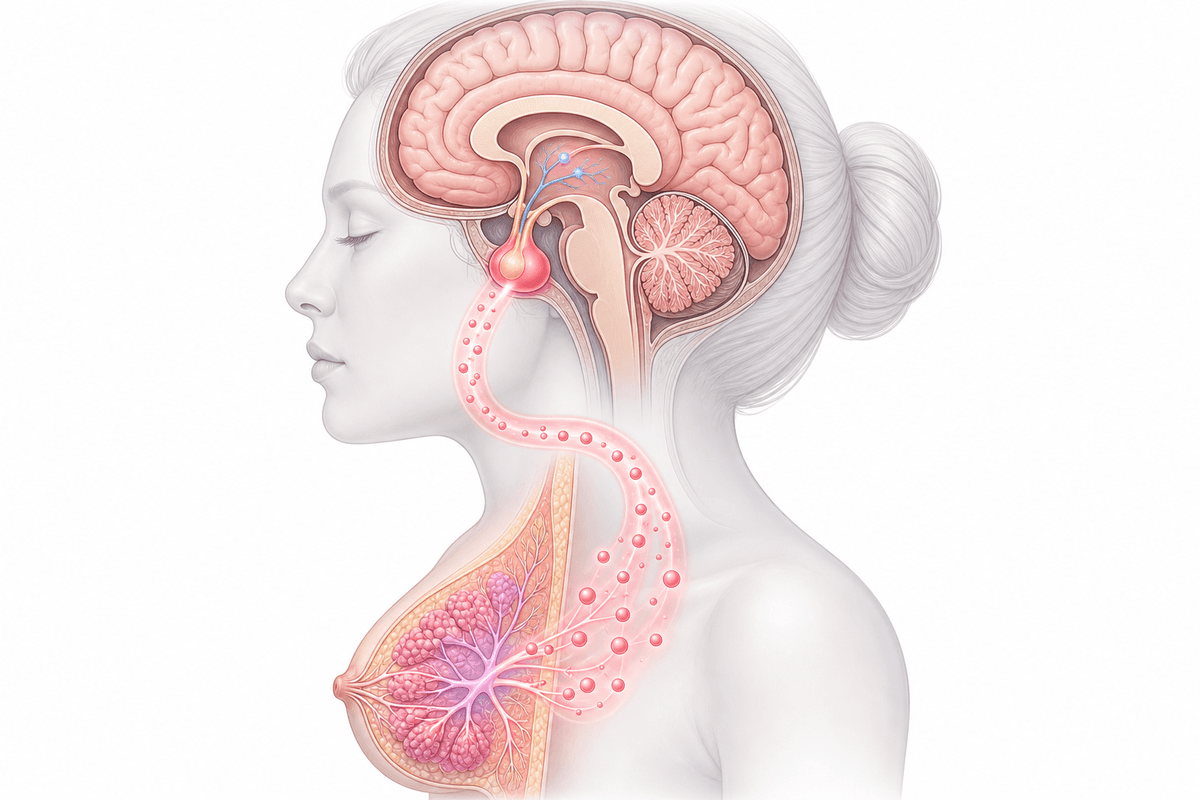
Hyperprolactinemia is a hormonal disorder characterized by elevated prolactin levels in the blood, commonly affecting women of reproductive age in Kompally, Hyderabad. This condition can interfere with ovulation, menstrual cycles, and fertility, causing irregular periods, milk discharge from breasts, and difficulty conceiving. Dr Bhavana, an experienced IVF Specialist, provides comprehensive evaluation and personalized treatment plans to restore hormonal balance and improve fertility outcomes for patients with hyperprolactinemia.
Temporary elevation of prolactin levels due to normal bodily processes such as pregnancy, breastfeeding, stress, exercise, or sleep. This type typically resolves once the triggering factor is removed and does not require medical intervention.
Persistent elevation caused by underlying medical conditions including pituitary adenomas (prolactinomas), hypothyroidism, kidney disease, or chest wall injuries. This type requires medical evaluation and treatment to address the root cause and prevent complications.
Elevated prolactin levels resulting from medications that interfere with dopamine pathways, such as antipsychotics, antidepressants, antihypertensives, and gastrointestinal medications. Management involves medication adjustment or discontinuation under medical supervision.
Multiple factors can contribute to the development and progression of this condition.
Hyperprolactinemia develops gradually. Recognising symptoms early gives you more treatment options.
From conservative to surgical — we always start with the least invasive option first.
A structured, patient-first approach from first visit to full recovery.
Dr Bhavana conducts detailed blood work including prolactin levels, thyroid function tests, and comprehensive metabolic panel to identify the underlying cause. She reviews medication history and performs physical examination to assess for galactorrhea and visual field changes.
MRI of the pituitary gland is ordered when prolactin levels are significantly elevated to detect prolactinomas or other structural abnormalities. Dr Bhavana correlates imaging findings with laboratory results to establish accurate diagnosis and tumor classification.
Based on diagnosis, Dr Bhavana designs individualized treatment strategies starting with dopamine agonist therapy or addressing underlying conditions like hypothyroidism. She educates patients on medication administration, expected timelines, and monitoring schedules for optimal outcomes.
For patients desiring pregnancy, Dr Bhavana coordinates prolactin normalization with fertility treatments, monitors ovulation, and provides assisted reproductive services. She maintains regular follow-up with hormonal monitoring and adjusts treatment protocols based on patient response and fertility goals.
What to expect at each phase of recovery.
Patients typically experience gradual reduction in prolactin levels within weeks of starting dopamine agonist therapy. Menstrual cycles may resume, galactorrhea decreases, and libido improves. Regular blood tests monitor treatment response and medication dosage is optimized during this period.
Prolactin levels normalize and symptoms fully resolve for most patients. Tumor shrinkage becomes evident on repeat MRI imaging for prolactinoma cases. Fertility potential is restored, and patients can attempt conception naturally or proceed with assisted reproductive treatments under supervision.
Ongoing treatment maintains normal prolactin levels and prevents recurrence. Dr Bhavana schedules periodic prolactin testing and annual MRI scans for tumor surveillance. Some patients may attempt medication tapering after sustained normalization, while others require indefinite therapy depending on underlying cause.
Over 85% of patients achieve normal prolactin levels with dopamine agonist therapy, leading to resolution of menstrual irregularities, galactorrhea cessation, and improved sexual function within 3-6 months of treatment initiation.
For prolactinoma patients, medical therapy results in significant tumor shrinkage in 80-90% of cases, often eliminating mass effect symptoms like headaches and visual disturbances without requiring surgical intervention.
Women treated for hyperprolactinemia experience restored ovulation and improved fertility, with pregnancy rates comparable to the general population. Many conceive naturally after prolactin normalization, while others benefit from coordinated fertility treatments.
Successful treatment alleviates psychological distress associated with infertility, sexual dysfunction, and body image concerns. Patients report enhanced well-being, restored confidence, and normalized intimate relationships following hormonal correction.
Untreated hyperprolactinemia leads to persistent infertility, prolonged amenorrhea, and increased risk of osteoporosis due to chronic estrogen deficiency. Prolactinomas may continue growing, causing progressive visual field defects, severe headaches, and potential pituitary dysfunction affecting other hormones. Long-term complications include irreversible bone density loss, cardiovascular risks, and psychological impact from ongoing reproductive dysfunction.
Women should consult Dr Bhavana if experiencing irregular or absent menstrual periods, unexpected breast milk discharge, difficulty conceiving after 6-12 months of trying, or decreased libido. Immediate evaluation is necessary for sudden vision changes, severe persistent headaches, or multiple hormonal symptoms occurring together, as these may indicate a larger pituitary tumor requiring urgent intervention.
Early treatment means more options and better outcomes. Book a consultation to understand your condition and explore the right path forward.