Treated by Dr Bhavana
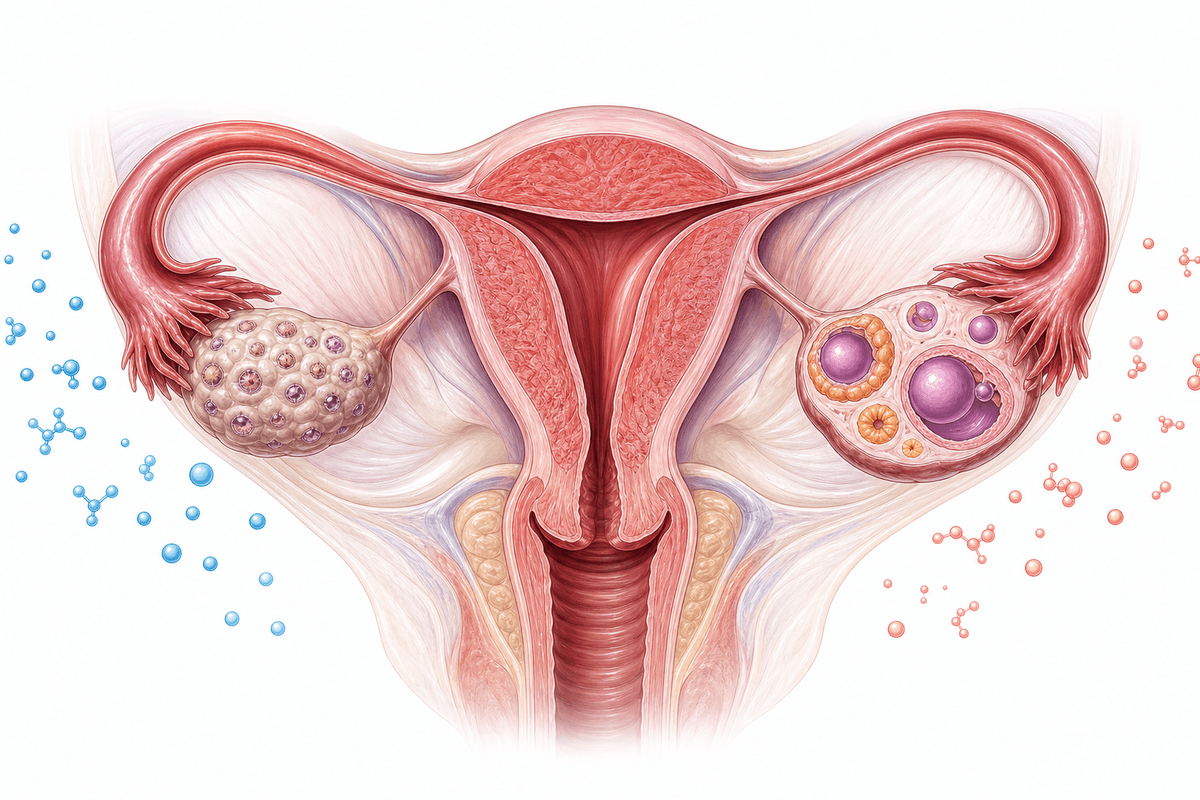
Poor Ovarian Response in Kompally, Hyderabad refers to a condition where the ovaries produce fewer follicles or eggs than expected during controlled ovarian stimulation for IVF treatment. This challenging fertility condition affects women's ability to produce adequate eggs for assisted reproductive procedures, often requiring specialized protocols and individualized treatment approaches. Dr Bhavana, an experienced IVF Specialist, provides comprehensive evaluation and customized treatment strategies for patients with poor ovarian response.
Diminished ovarian response due to advanced maternal age, typically affecting women over 35-37 years, characterized by declining ovarian reserve and reduced follicular response to stimulation medications despite normal ovarian function in younger years.
Poor ovarian response occurring in younger women due to premature decline in ovarian function, often associated with genetic factors, autoimmune conditions, or idiopathic causes resulting in early depletion of ovarian reserve and reduced responsiveness to fertility medications.
Diminished ovarian response resulting from previous medical interventions such as ovarian surgery, chemotherapy, radiotherapy, or repeated ovarian stimulation cycles that have damaged or depleted the ovarian reserve, leading to reduced follicular development capacity.
Multiple factors can contribute to the development and progression of this condition.
Poor Ovarian Response develops gradually. Recognising symptoms early gives you more treatment options.
From conservative to surgical — we always start with the least invasive option first.
A structured, patient-first approach from first visit to full recovery.
Dr Bhavana conducts thorough evaluation including detailed medical history, transvaginal ultrasound for antral follicle count, hormonal testing (AMH, FSH, LH, estradiol), and review of previous treatment cycles to accurately diagnose poor ovarian response and identify contributing factors.
Based on individual patient characteristics, Dr Bhavana designs customized ovarian stimulation protocols selecting appropriate medications, dosages, and adjuvant therapies to optimize follicular development and egg quality while considering patient age, ovarian reserve markers, and previous response patterns.
Dr Bhavana provides close monitoring throughout the stimulation cycle with regular ultrasounds and hormonal assessments, making real-time adjustments to medication doses and protocols to maximize follicular response and determine optimal timing for egg retrieval procedures.
Dr Bhavana employs state-of-the-art laboratory procedures including ICSI for fertilization, extended embryo culture, and careful embryo selection to maximize pregnancy potential from limited eggs, while discussing options for fresh transfer, embryo freezing, or consideration of donor egg alternatives when appropriate.
What to expect at each phase of recovery.
After egg retrieval, patients experience mild cramping and bloating which resolves within 1-2 days. Rest is recommended with gradual return to normal activities. Pain medication and hydration help manage discomfort while monitoring for any signs of ovarian hyperstimulation.
Following embryo transfer, patients continue progesterone supplementation and other luteal support medications. Normal daily activities can resume immediately with avoidance of strenuous exercise. This waiting period requires patience while the embryo implants and pregnancy test is scheduled.
Once pregnancy is confirmed through blood tests, Dr Bhavana provides close monitoring with serial hormone assessments and ultrasound scans to ensure proper embryo development and viability. Medications are gradually adjusted and continued until placental function is established, typically around 10-12 weeks gestation.
With personalized stimulation protocols and adjuvant therapies, many patients experience enhanced follicular development and increased number of mature eggs retrieved compared to previous standard protocol cycles, improving chances for fertilization and embryo formation.
Despite reduced egg numbers, optimized treatment approaches including ICSI, careful embryo selection, and appropriate transfer strategies result in pregnancy rates of 15-35% per cycle depending on patient age, egg quality, and specific ovarian reserve parameters.
Adjuvant supplementation protocols and modified stimulation approaches often lead to improved oocyte quality and better embryo development rates, maximizing the potential of each egg retrieved and increasing cumulative pregnancy success over multiple cycles.
For patients with severe poor response, transitioning to donor egg IVF provides excellent pregnancy success rates exceeding 60-70% per transfer, offering a reliable pathway to parenthood when own eggs are insufficient or of compromised quality.
Untreated poor ovarian response leads to continued decline in fertility potential, reduced chances of natural conception, and progressively diminishing success rates with assisted reproductive technologies. As ovarian reserve continues to decline with age and time, treatment options become more limited and pregnancy success rates decrease significantly. Early intervention with appropriate fertility treatments maximizes the opportunity to achieve pregnancy using own eggs before reserve is severely depleted.
Women should consult Dr Bhavana if they are over 35 years attempting pregnancy for 6 months without success, have irregular menstrual cycles or shortened cycles, have previously experienced poor response to fertility medications, or have undergone ovarian surgery or cancer treatment. Additionally, women with family history of early menopause or those planning to delay childbearing should seek evaluation of ovarian reserve to assess fertility potential and discuss proactive treatment or preservation options.
Early treatment means more options and better outcomes. Book a consultation to understand your condition and explore the right path forward.