Treated by Dr Bhavana
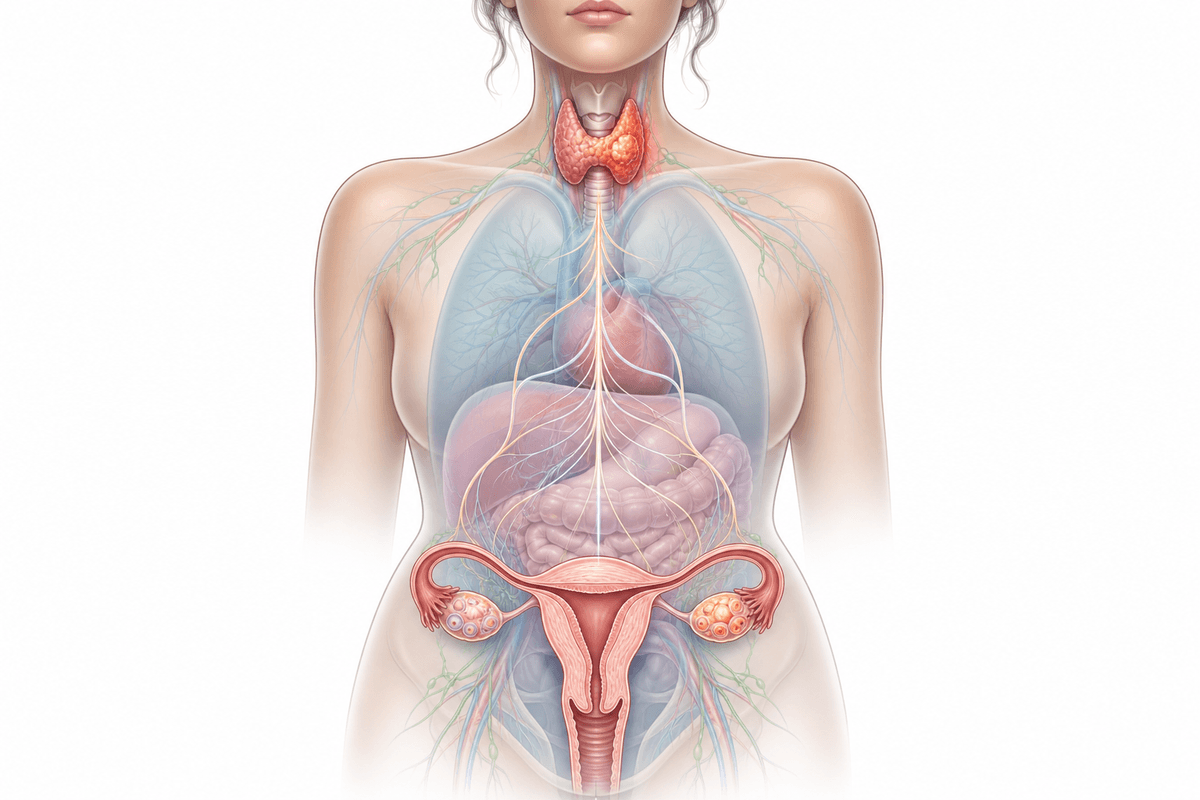
Thyroid disorders affecting fertility in Kompally, Hyderabad, involve hormonal imbalances from the thyroid gland that can significantly impact reproductive health in both men and women. The thyroid produces hormones that regulate metabolism, and when these levels are abnormal—either too high (hyperthyroidism) or too low (hypothyroidism)—they can disrupt ovulation, menstrual cycles, sperm quality, and implantation success. Dr Bhavana provides comprehensive thyroid assessment and fertility treatment to help couples achieve successful conception.
Underactive thyroid gland producing insufficient hormones, leading to irregular ovulation, anovulation, luteal phase defects, and increased miscarriage risk. Common cause of unexplained infertility in women of reproductive age.
Overactive thyroid gland producing excessive hormones, causing irregular menstrual cycles, reduced sperm count in men, and pregnancy complications. Can lead to anovulation and difficulty conceiving despite regular intercourse.
Mild thyroid hormone imbalances with normal thyroid hormone levels but abnormal TSH, often overlooked but significantly impacting fertility. Can affect egg quality, implantation rates, and early pregnancy maintenance in IVF cycles.
Multiple factors can contribute to the development and progression of this condition.
Thyroid Disorders Affecting Fertility develops gradually. Recognising symptoms early gives you more treatment options.
From conservative to surgical — we always start with the least invasive option first.
A structured, patient-first approach from first visit to full recovery.
Dr Bhavana conducts detailed thyroid function tests including TSH, free T3, free T4, and thyroid antibodies, alongside complete fertility evaluation. Hormonal profiles, ovulation tracking, and partner assessment performed to understand the complete fertility picture.
Based on test results, Dr Bhavana prescribes appropriate thyroid medications and establishes target hormone levels optimal for conception. Regular monitoring schedules are created with adjustments made until TSH reaches the ideal fertility range of 1.0-2.5 mIU/L.
Once thyroid levels stabilize, Dr Bhavana recommends appropriate fertility interventions ranging from timed intercourse to IVF based on individual circumstances. Thyroid function continues to be monitored throughout all fertility treatments to maintain optimal levels.
After conception, Dr Bhavana provides close early pregnancy monitoring with immediate thyroid level checks and medication adjustments. Continued care ensures healthy thyroid function throughout first trimester, coordinating with obstetric care for ongoing pregnancy management.
What to expect at each phase of recovery.
Initial treatment period where thyroid medications are started and adjusted based on regular blood tests. Patients typically notice improved energy, menstrual regularity, and overall well-being as hormone levels normalize toward optimal fertility range.
Once thyroid levels are stable, natural conception attempts or fertility treatments begin. Ovulation patterns improve, menstrual cycles become regular, and fertility potential increases. Ongoing thyroid monitoring ensures levels remain optimal throughout this phase.
After successful conception, thyroid medication often requires adjustment due to increased pregnancy hormone demands. Weekly to bi-weekly monitoring in first trimester ensures maternal thyroid function supports healthy fetal development and pregnancy continuation.
With proper thyroid management, 80-90% of women experience return of regular ovulation and normal menstrual cycles within 3-6 months of achieving optimal hormone levels, significantly improving natural conception chances.
Studies show that women with optimized thyroid function before IVF have 20-30% higher implantation and pregnancy rates compared to those with untreated or suboptimally managed thyroid disorders during fertility treatment cycles.
Proper thyroid hormone management reduces early pregnancy loss rates by up to 50%, as stable thyroid levels support healthy embryo implantation and early fetal development throughout the critical first trimester.
Beyond conception, thyroid optimization improves egg quality, endometrial receptivity, and hormonal balance, creating ideal conditions for both natural conception and assisted reproductive technology success with healthier pregnancy outcomes.
Untreated thyroid disorders can lead to persistent infertility, recurrent miscarriages, and failed IVF cycles due to disrupted ovulation and poor endometrial receptivity. Long-term complications include increased risk of pregnancy complications such as preeclampsia, preterm birth, and developmental issues in the baby. Additionally, chronic thyroid dysfunction can cause irreversible metabolic and cardiovascular problems affecting overall health beyond fertility concerns.
Consult Dr Bhavana if you have irregular periods, difficulty conceiving for more than 6 months, or unexplained weight changes alongside fatigue and temperature sensitivity. Immediate evaluation is essential if you have a known thyroid condition and are planning pregnancy, or if you've experienced recurrent miscarriages. Women undergoing fertility treatment should have thyroid screening before starting any assisted reproductive procedures.
Early treatment means more options and better outcomes. Book a consultation to understand your condition and explore the right path forward.