Performed by Dr Bhavana
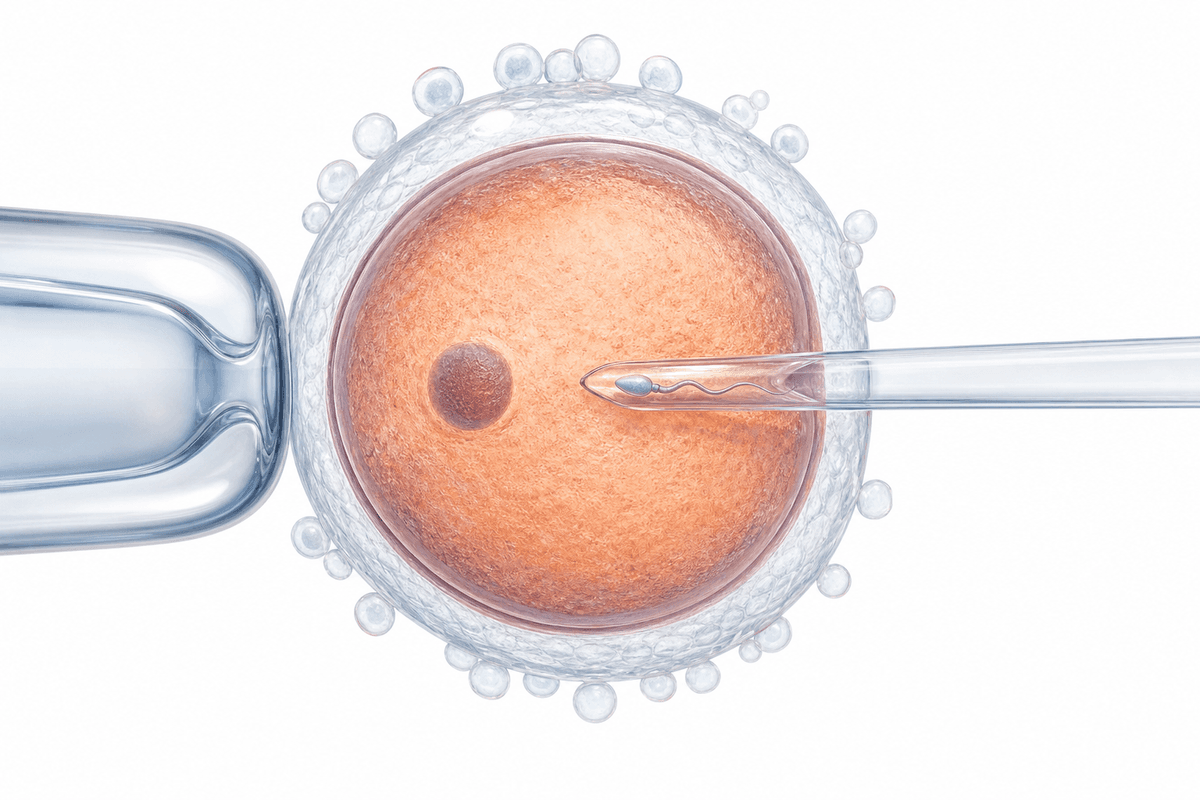
Intracytoplasmic Sperm Injection (ICSI) in Kompally, Hyderabad is an advanced assisted reproductive technique where a single healthy sperm is directly injected into a mature egg to facilitate fertilization. This procedure is particularly effective for couples facing severe male infertility factors, previous IVF failures, or low fertilization rates. Dr Bhavana, an experienced IVF Specialist in Kompally, provides personalized ICSI treatment with state-of-the-art laboratory facilities and compassionate care.
We believe in honest, upfront disclosure so you can make an informed decision.
A step-by-step look at what happens during this procedure.
The woman undergoes controlled ovarian stimulation using hormone injections for 10-14 days to produce multiple mature eggs. Regular monitoring through blood tests and ultrasounds tracks follicle development.
Mature eggs are collected through a minor surgical procedure under sedation using ultrasound-guided needle aspiration. The eggs are immediately transferred to the embryology laboratory.
The male partner provides a fresh sperm sample, or frozen/surgically retrieved sperm is thawed. The embryologist selects the healthiest, most motile sperm for injection using high-magnification microscopy.
Under a specialized microscope with micromanipulation equipment, a single sperm is immobilized and drawn into a fine glass needle. The needle carefully penetrates the egg's outer layer and membrane, depositing the sperm directly into the egg's cytoplasm.
Injected eggs are placed in culture media in a controlled incubator. Fertilization is assessed after 16-18 hours by checking for two pronuclei, and embryos are cultured for 3-5 days before transfer or freezing.
A structured, patient-first approach from first consultation to full recovery.
Dr Bhavana evaluates your complete medical history, hormone levels, and previous treatment outcomes to design a customized ovarian stimulation protocol that optimizes egg quality and quantity while minimizing risks.
Our state-of-the-art embryology laboratory maintains optimal temperature, humidity, and air quality. Dr Bhavana's team uses cutting-edge micromanipulation equipment and time-lapse imaging technology to ensure the highest fertilization success rates.
Dr Bhavana's embryologists employ advanced sperm selection techniques including morphological assessment at high magnification to identify the healthiest sperm with the best potential for successful fertilization and healthy embryo development.
From initial consultation through embryo transfer and beyond, Dr Bhavana provides continuous monitoring, transparent communication about embryo development, and emotional support throughout your ICSI journey, ensuring you feel informed and cared for at every step.
What to expect at each stage of your recovery journey.
After egg retrieval, you may experience mild cramping and bloating. Rest for the remainder of the day, stay hydrated, and avoid strenuous activities. Most women resume normal activities within 24 hours.
Following embryo transfer, maintain normal daily activities while avoiding heavy lifting, vigorous exercise, and sexual intercourse for 2-3 days. Take prescribed medications including progesterone support as directed by Dr Bhavana.
The period between embryo transfer and pregnancy test requires patience and self-care. Continue all prescribed medications, maintain a balanced diet, manage stress through relaxation techniques, and avoid pregnancy tests until the scheduled blood test appointment to ensure accurate results.
ICSI achieves fertilization rates of 70-80% even in cases of severe male infertility where conventional IVF would likely fail, significantly improving chances for couples who previously had limited options.
ICSI successfully addresses severe sperm abnormalities including very low sperm count, poor motility, or abnormal morphology, enabling biological fatherhood for men with significant fertility challenges.
When combined with quality embryos and optimal uterine conditions, ICSI can result in pregnancy rates comparable to conventional IVF, with success rates varying based on maternal age, egg quality, and embryo development.
ICSI-derived embryos can undergo preimplantation genetic testing (PGT) to screen for chromosomal abnormalities or specific genetic conditions, helping select the healthiest embryos for transfer and reducing miscarriage risk.
Let's clear up some of the most common myths about icsi.
Get a personalised assessment from an experienced specialist. Understand your options, ask your questions, and decide with confidence.