Performed by Dr Bhavana
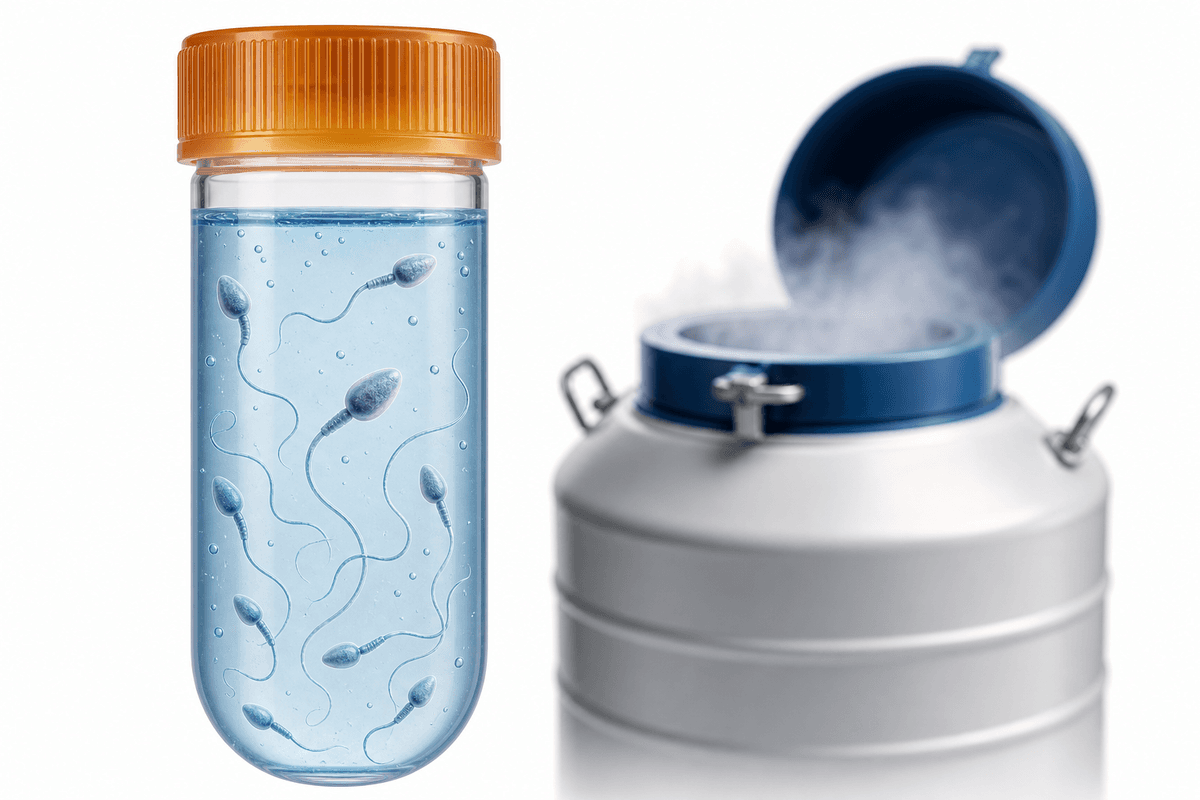
Semen freezing, also called sperm cryopreservation, is a process that collects, tests, and stores sperm at very low temperatures for future use. It is often considered before cancer treatment, vasectomy, or assisted reproductive procedures. Dr Bhavana evaluates each case to determine suitability and guide the process based on individual circumstances.
We believe in honest, upfront disclosure so you can make an informed decision.
A step-by-step look at what happens during this procedure.
The specialist reviews medical history, reasons for freezing, and performs necessary health screenings including tests for infections.
The sample is collected through masturbation in a private room at the facility, following strict hygiene protocols.
The sample is examined for sperm count, motility, and morphology to assess quality and suitability for freezing.
A protective solution is added to the sample, which is then slowly cooled and stored in liquid nitrogen at very low temperatures.
The frozen samples are kept in secure, monitored tanks and can remain viable for many years until needed.
A structured, patient-first approach from first consultation to full recovery.
Dr Bhavana conducts a detailed evaluation of medical history, current health status, and reasons for preservation to guide the process.
Required blood tests are performed to check for infections that could affect sample storage and future use.
The laboratory team analyses the sample for viability and prepares it with appropriate cryoprotective measures before freezing.
Samples are stored under controlled conditions with regular monitoring, and documentation is maintained for future retrieval when needed.
What to expect at each stage of your recovery journey.
No physical recovery is needed as the procedure is non-invasive. Normal activities can be resumed immediately after sample collection.
The laboratory provides a report on sample quality and storage details, typically within a few days.
Samples remain in storage with regular monitoring. Annual storage fees typically apply, and consent for continued storage is reviewed periodically.
Frozen sperm can be used later for assisted reproductive treatments when natural conception is not possible or advisable. However, freezing does not guarantee future pregnancy success, which depends on multiple factors including sperm quality, partner's fertility, and the treatment used.
While many sperm survive the freeze-thaw process, some samples show reduced motility or count after thawing compared to fresh samples. The degree of change varies individually.
For those facing medical treatments that may affect fertility, freezing offers an option to preserve reproductive potential. It does not prevent treatment-related fertility loss but provides stored samples for future attempts.
Samples can be stored for many years, but storage requires ongoing fees and maintained consent. Regulatory limits on storage duration may apply depending on jurisdiction and individual circumstances.
The right choice depends on your diagnosis, risks and circumstances — discussed with you at your consultation.
For men who cannot produce a semen sample or have no sperm in ejaculate, testicular tissue or sperm extracted surgically may be frozen instead. This requires a minor surgical procedure and is considered based on the underlying condition.
Some individuals may choose not to freeze sperm, accepting the risk to future fertility or planning to use donor sperm if needed later. This decision depends on personal circumstances, age, and the likelihood of fertility impact.
In rare cases where medical treatment is not urgent, attempting conception before treatment may be considered. This option depends on medical urgency, partner availability, and is decided with the treating oncologist or specialist.
Let's clear up some of the most common myths about semen freezing.
Get a personalised assessment from an experienced specialist. Understand your options, ask your questions, and decide with confidence.