Treated by Dr Bhavana
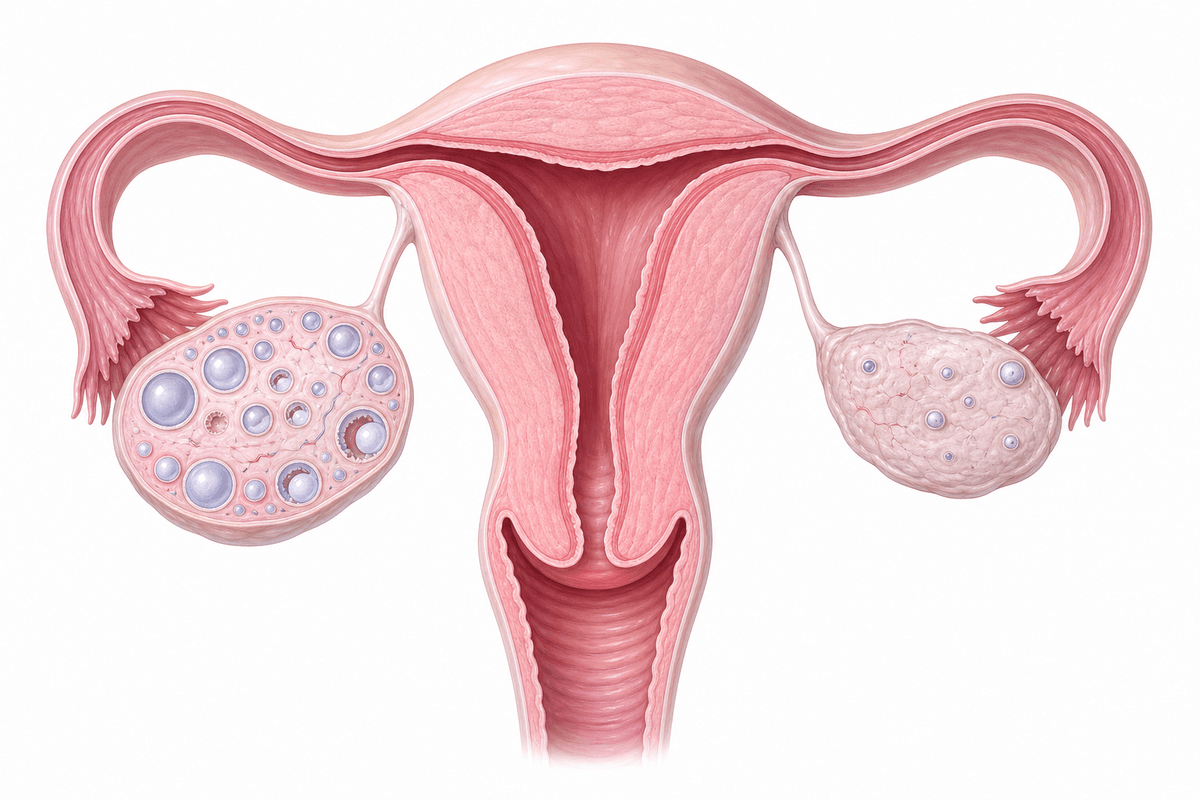
Diminished Ovarian Reserve (DOR) affects women in Kompally, Hyderabad, when the ovaries have fewer eggs than expected for their age, reducing fertility potential. This condition can make natural conception challenging and often requires specialized fertility treatments to achieve pregnancy. Dr Bhavana, an experienced IVF Specialist in Kompally, provides comprehensive evaluation and personalized treatment plans to help women with DOR achieve their dream of parenthood.
Natural decline in ovarian reserve occurring with advancing maternal age, typically accelerating after age 35. This is the most common form of diminished ovarian reserve and represents normal reproductive aging.
Accelerated loss of ovarian reserve in women younger than 35, where egg quantity and quality decline earlier than expected. This can occur due to genetic factors, autoimmune conditions, or environmental exposures.
Diminished ovarian reserve resulting from medical treatments such as chemotherapy, radiation therapy, or ovarian surgery. This form occurs when medical interventions inadvertently damage ovarian tissue and reduce egg reserves.
Multiple factors can contribute to the development and progression of this condition.
Diminished Ovarian Reserve develops gradually. Recognising symptoms early gives you more treatment options.
From conservative to surgical — we always start with the least invasive option first.
A structured, patient-first approach from first visit to full recovery.
Dr Bhavana conducts thorough evaluation including AMH, FSH, antral follicle count, and transvaginal ultrasound to accurately diagnose the severity of ovarian reserve and determine the most appropriate treatment approach for each patient.
Based on diagnostic results, age, and individual goals, Dr Bhavana develops a customized fertility treatment plan that may include ovarian stimulation optimization, IVF with own eggs, donor egg options, or combination approaches to maximize success rates.
Dr Bhavana implements specialized stimulation protocols designed specifically for diminished ovarian reserve, including micro-dose flare, antagonist, or natural cycle IVF approaches, with meticulous monitoring and timing to optimize egg quality and quantity.
Throughout treatment, Dr Bhavana provides continuous monitoring with regular ultrasounds and hormone assessments, adjusting protocols as needed and offering emotional support and counseling to help patients navigate their fertility journey with confidence.
What to expect at each phase of recovery.
After egg retrieval or embryo transfer, patients typically experience mild cramping and bloating for 1-3 days. Rest is recommended for 24-48 hours, with gradual return to normal activities while avoiding strenuous exercise until pregnancy test or menstruation.
Following embryo transfer, patients enter a 10-14 day waiting period before pregnancy testing. Progesterone supplementation continues during this time, and patients are advised to maintain normal gentle activities while avoiding stress and heavy lifting.
If pregnancy is achieved, close monitoring with serial blood tests and early ultrasounds ensures proper development. Hormone supplementation continues through the first trimester, with Dr Bhavana providing comprehensive care before transitioning to obstetric care.
With personalized treatment protocols, many women with diminished ovarian reserve achieve pregnancy, though success rates vary based on age, AMH levels, and treatment approach. Donor egg IVF offers pregnancy rates of 60-70% per transfer.
Optimized stimulation protocols and adjuvant therapies help maximize the number and quality of eggs retrieved, improving fertilization rates and embryo development even with limited ovarian reserve.
Comprehensive evaluation and counseling enable patients to make educated decisions about treatment options, timing, and alternatives such as donor eggs or adoption based on realistic expectations and individual circumstances.
Early intervention with egg or embryo freezing can preserve current fertility potential, providing options for future pregnancies before further decline in ovarian reserve occurs.
Untreated diminished ovarian reserve will continue to progress, with ovarian function declining over time until eggs are depleted and natural conception becomes impossible. Delaying treatment reduces the chances of successful pregnancy with own eggs, as both egg quantity and quality deteriorate with advancing time. Women may lose the opportunity for biological parenthood or face the necessity of using donor eggs if intervention is postponed too long.
Women should consult Dr Bhavana if they are over 35 and have been trying to conceive for 6 months without success, or if they experience irregular menstrual cycles, shorter cycle lengths, or have risk factors such as previous ovarian surgery or family history of early menopause. Early consultation is crucial for women who have received abnormal fertility test results showing low AMH or elevated FSH levels, as timely intervention significantly improves treatment outcomes.
Early treatment means more options and better outcomes. Book a consultation to understand your condition and explore the right path forward.