Performed by Dr Bhavana
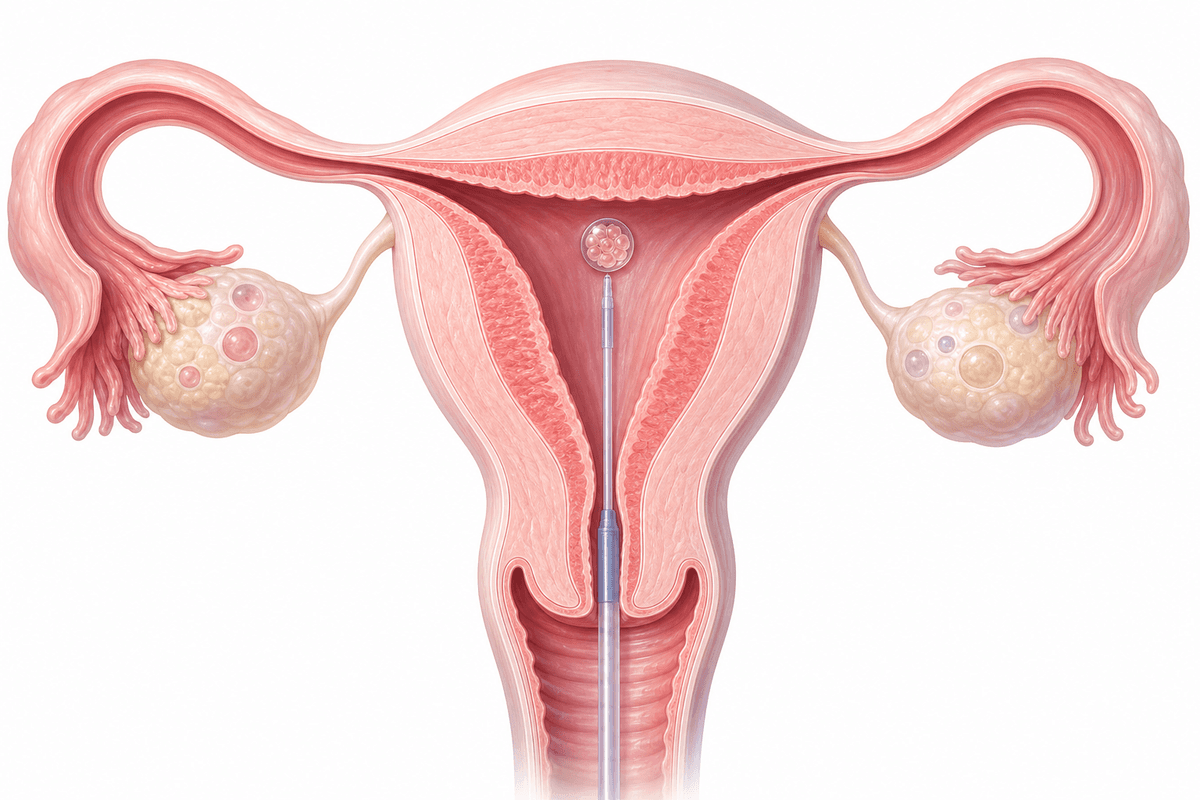
Embryo Transfer in Kompally, Hyderabad is the final and crucial step of the IVF process where carefully selected embryos are placed into the uterus to establish pregnancy. This minimally invasive procedure is performed with precision using advanced ultrasound guidance to optimize implantation success. Dr Bhavana, an experienced IVF Specialist, provides personalized embryo transfer procedures with comprehensive care and support throughout your fertility treatment.
We believe in honest, upfront disclosure so you can make an informed decision.
A step-by-step look at what happens during this procedure.
The embryologist selects the highest quality embryo(s) based on morphology, development stage, and genetic screening results if performed. Single or multiple embryos are chosen based on patient age, embryo quality, and individual circumstances to optimize success while minimizing multiple pregnancy risks.
A soft, flexible catheter is carefully loaded with the selected embryo(s) in the embryology laboratory under sterile conditions. The embryos are suspended in a small amount of culture medium within the catheter, ready for precise placement into the uterus.
The patient lies on the examination table with a comfortably full bladder, which helps straighten the uterus for better visualization. An abdominal ultrasound probe is used to provide real-time guidance throughout the transfer procedure, ensuring accurate embryo placement.
A speculum is gently inserted, and the cervix is cleaned. The embryo-loaded catheter is carefully guided through the cervix into the uterus under continuous ultrasound monitoring. The embryos are deposited at the optimal location in the endometrial cavity, typically 1-2 cm from the fundus.
The catheter is slowly withdrawn and immediately checked under the microscope by the embryologist to confirm all embryos have been successfully transferred. The patient rests briefly before being discharged with specific post-transfer instructions and medication protocols to support implantation.
A structured, patient-first approach from first consultation to full recovery.
Dr Bhavana conducts a thorough evaluation of embryo quality and endometrial receptivity before the transfer. She reviews your complete treatment cycle, confirms optimal endometrial thickness and pattern, and discusses the number of embryos to transfer based on your individual circumstances and preferences.
Dr Bhavana performs the embryo transfer under real-time ultrasound guidance to ensure the most accurate placement. Her gentle technique and extensive experience minimize discomfort while maximizing the chances of successful implantation by positioning embryos at the ideal location within the uterine cavity.
Dr Bhavana prescribes customized luteal phase support medications including progesterone and other hormones to optimize endometrial receptivity. She provides detailed post-transfer care instructions, activity guidelines, and emotional support to help you through the critical two-week waiting period.
Dr Bhavana schedules your beta-hCG pregnancy test approximately 10-14 days after transfer and monitors your progress closely. She remains available for any concerns during the waiting period and provides ongoing care throughout early pregnancy if the transfer is successful, ensuring continuity of care.
What to expect at each stage of your recovery journey.
Rest for 15-30 minutes after the procedure before going home. Light spotting may occur, which is normal. Avoid strenuous activities, heavy lifting, and intense exercise for 24-48 hours. You can resume normal daily activities but listen to your body and rest when needed.
Continue taking all prescribed medications exactly as directed, including progesterone support. Avoid sexual intercourse, hot baths, swimming, and tampons during this period. Maintain a healthy diet, stay hydrated, and manage stress through gentle activities like walking and meditation. Watch for unusual symptoms but avoid obsessive symptom-checking.
After receiving your pregnancy test results, follow Dr Bhavana's guidance for next steps. If positive, continue medications and schedule your first ultrasound. If negative, schedule a follow-up consultation to discuss the cycle, review any issues, and plan future treatment options. Allow yourself time to process emotions and seek support if needed.
Most patients achieve successful embryo implantation resulting in positive pregnancy test within 10-14 days. Success rates vary based on embryo quality, maternal age, endometrial receptivity, and underlying fertility factors. High-quality blastocyst transfers typically show better outcomes than earlier-stage embryos.
A viable intrauterine pregnancy is confirmed by ultrasound at 6-7 weeks showing gestational sac, yolk sac, and fetal heartbeat. This milestone indicates successful progression beyond the chemical pregnancy stage and significantly increases the likelihood of ongoing pregnancy and healthy delivery.
The ultimate goal of embryo transfer is achieving a healthy live birth. Success rates for live birth per transfer range from 40-60% depending on various factors including maternal age, embryo quality, and previous treatment history. Dr Bhavana's expertise and personalized approach optimize outcomes for each patient.
If implantation does not occur, Dr Bhavana conducts a comprehensive review to identify potential factors such as embryo quality, endometrial receptivity issues, immunological factors, or genetic abnormalities. This analysis guides modifications to future treatment protocols, potentially including additional testing like ERA, PGT-A, or immune therapies to improve subsequent cycle success.
Let's clear up some of the most common myths about embryo transfer.
Get a personalised assessment from an experienced specialist. Understand your options, ask your questions, and decide with confidence.