Treated by Dr Bhavana
Recurrent miscarriages, defined as three or more consecutive pregnancy losses before 20 weeks of gestation, affect many couples in Hyderabad seeking fertility care. This emotionally challenging condition requires comprehensive evaluation to identify underlying causes such as genetic factors, hormonal imbalances, anatomical abnormalities, or immunological issues. Dr Bhavana, an experienced IVF Specialist in Kompally, provides thorough diagnostic workup and evidence-based treatment protocols to help couples achieve and maintain healthy pregnancies.
Pregnancy losses caused by chromosomal abnormalities in either parent or embryo, including balanced translocations, inversions, or aneuploidy that repeatedly prevent viable pregnancy development.
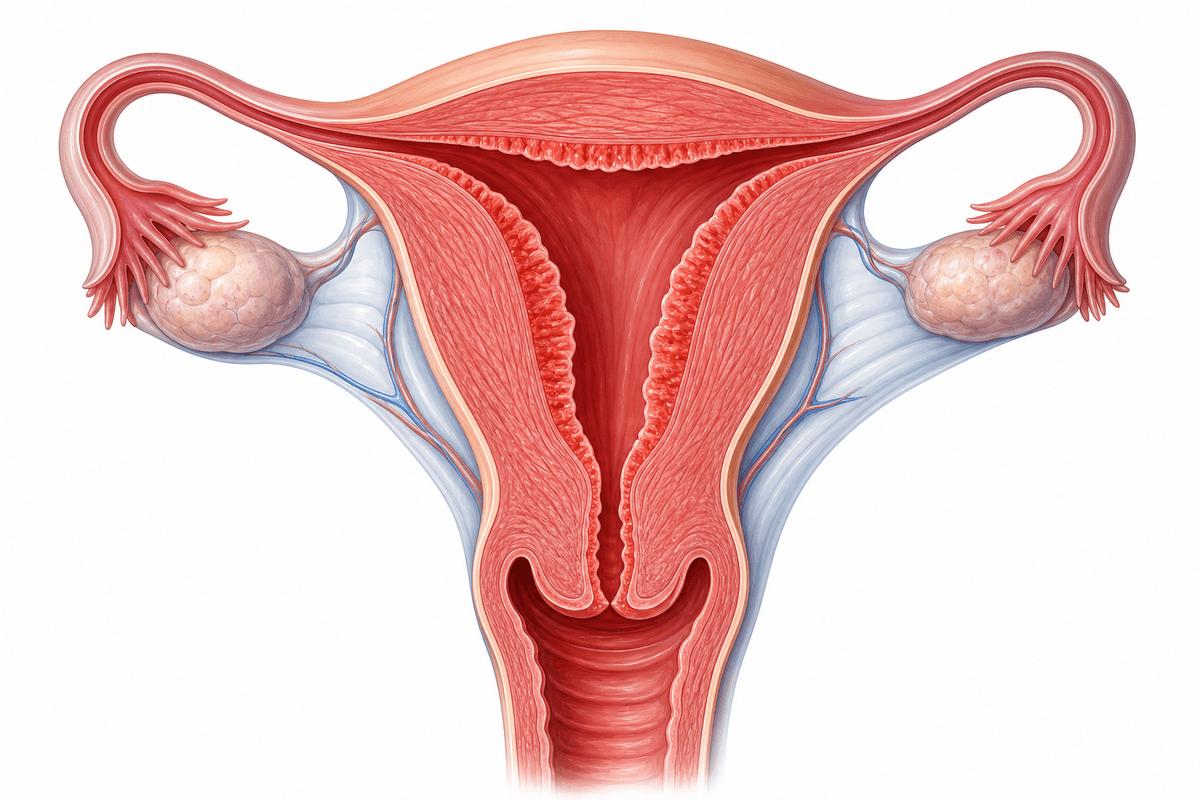
Losses resulting from structural uterine abnormalities such as septate uterus, bicornuate uterus, fibroids, adhesions, or cervical incompetence that interfere with implantation or fetal growth.
Pregnancy losses caused by immune system dysfunction including antiphospholipid syndrome, elevated natural killer cells, or autoimmune conditions that trigger rejection of the developing embryo.
Multiple factors can contribute to the development and progression of this condition.
Recurrent Miscarriages develops gradually. Recognising symptoms early gives you more treatment options.
From conservative to surgical — we always start with the least invasive option first.
A structured, patient-first approach from first visit to full recovery.
Dr Bhavana conducts thorough testing including detailed medical history, genetic karyotyping of both partners, hormonal panel, thyroid function tests, antiphospholipid antibody screening, 3D ultrasound for uterine anatomy, and hysteroscopy when indicated to identify all potential causes.
Based on diagnostic findings, Dr Bhavana creates an individualized treatment plan addressing specific identified causes, combining hormonal support, immunological therapy, surgical correction, or advanced reproductive techniques like IVF with PGT-A to maximize success rates.
Dr Bhavana optimizes health factors before conception including correcting hormonal imbalances, initiating appropriate medications, implementing lifestyle modifications, and providing nutritional supplementation to create the best possible environment for successful pregnancy.
Dr Bhavana provides close monitoring during early pregnancy with frequent ultrasounds, serial hCG and progesterone measurements, continuation of prescribed medications, emotional support counseling, and immediate intervention if any concerning signs develop to ensure the best possible outcome.
What to expect at each phase of recovery.
The body typically requires 2-4 weeks for physical recovery after miscarriage, with hormones returning to baseline, bleeding stopping, and the uterus returning to normal size. Dr Bhavana provides medical support and monitors recovery before attempting another pregnancy.
This phase involves completing all diagnostic evaluations, receiving test results, understanding identified causes, and implementing treatment protocols. Duration varies from 1-3 months depending on the complexity of testing and treatments required before attempting conception.
With appropriate treatment and close monitoring, most couples achieve successful pregnancy. First trimester requires intensive monitoring with regular ultrasounds and hormone checks, gradually transitioning to routine prenatal care as pregnancy progresses beyond the critical early weeks.
With comprehensive evaluation and targeted treatment, 65-75% of couples with recurrent miscarriage achieve successful live birth in subsequent pregnancies, with success rates varying based on underlying cause and maternal age.
Approximately 50-60% of recurrent miscarriage cases have identifiable causes that can be effectively treated, including hormonal, anatomical, immunological, or genetic factors that respond well to appropriate interventions.
Comprehensive evaluation and treatment planning provide couples with answers, renewed hope, and concrete action steps, significantly reducing anxiety and emotional distress associated with unexplained pregnancy losses.
Even when specific causes remain unidentified, close monitoring and supportive care during subsequent pregnancies improve outcomes and provide reassurance, with success rates improving with each additional attempt under specialist care.
Without proper evaluation and treatment, couples may continue experiencing repeated pregnancy losses, leading to severe emotional trauma, depression, anxiety, and relationship stress. Untreated underlying conditions such as antiphospholipid syndrome, thyroid disorders, or anatomical abnormalities may worsen over time, further reducing the chances of successful pregnancy. Additionally, advancing maternal age without intervention progressively decreases fertility potential and increases chromosomal abnormality risks.
Couples should consult Dr Bhavana after experiencing two or more consecutive pregnancy losses, even before the traditional definition of three losses, as early intervention improves outcomes. Immediate consultation is recommended for women with additional risk factors including advanced maternal age over 35, known medical conditions like thyroid disorders or PCOS, family history of genetic abnormalities, or previous pregnancy complications. Seeking expert care promptly allows for timely diagnosis and treatment initiation.
Early treatment means more options and better outcomes. Book a consultation to understand your condition and explore the right path forward.