Treated by Dr Bhavana
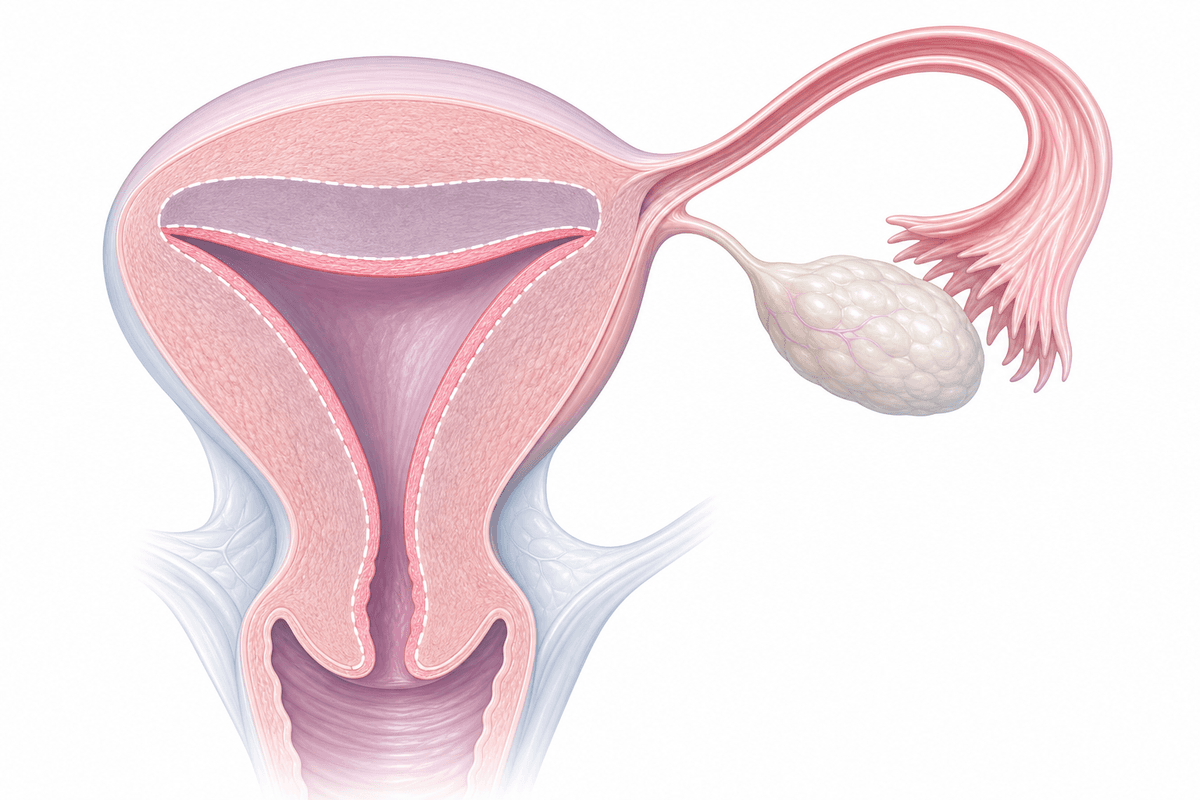
Thin endometrium is a condition where the uterine lining measures less than 7mm in thickness, affecting fertility and embryo implantation in women seeking conception in Kompally, Hyderabad. This inadequate endometrial thickness can significantly reduce pregnancy success rates during natural conception or assisted reproductive procedures. Dr Bhavana, an experienced IVF Specialist, offers comprehensive evaluation and evidence-based treatment protocols to optimize endometrial receptivity and improve reproductive outcomes.
Intrinsic endometrial condition where the lining has never achieved adequate thickness despite normal hormonal stimulation, often related to reduced blood flow or endometrial stem cell deficiency affecting regenerative capacity.
Acquired endometrial thinning resulting from prior uterine interventions, infections, or medical treatments that have damaged the basal endometrial layer, leading to reduced proliferative capacity and impaired endometrial growth.
Medication-induced endometrial suppression commonly caused by prolonged clomiphene citrate use, excessive gonadotropin dosing, or GnRH agonist protocols that inadvertently reduce endometrial thickness despite adequate ovarian response.
Multiple factors can contribute to the development and progression of this condition.
Thin Endometrium develops gradually. Recognising symptoms early gives you more treatment options.
From conservative to surgical — we always start with the least invasive option first.
A structured, patient-first approach from first visit to full recovery.
Dr Bhavana performs detailed transvaginal ultrasound with Doppler assessment to measure endometrial thickness, pattern, and blood flow parameters. Complete hormonal profiling, hysteroscopy when indicated, and evaluation for chronic endometritis ensure accurate diagnosis and identification of underlying causes.
Based on individual patient factors including cause, severity, and previous treatment response, Dr Bhavana develops customized therapeutic protocols. Options include estrogen optimization, G-CSF therapy, PRP infusion, or surgical intervention, often combining multiple modalities for refractory cases.
Dr Bhavana provides close monitoring through serial transvaginal ultrasounds to track endometrial response to treatment. Protocols are dynamically adjusted based on endometrial thickness progression, pattern development, and Doppler flow parameters to achieve optimal receptivity before embryo transfer or insemination.
Dr Bhavana ensures perfect synchronization between embryo developmental stage and endometrial receptivity. Advanced assessment including endometrial pattern analysis and potential ERA testing determines the precise implantation window, maximizing pregnancy success rates despite challenging endometrial conditions.
What to expect at each phase of recovery.
During the first 7-10 days of therapy, patients begin hormonal supplementation or undergo procedures like PRP infusion. Mild uterine cramping or spotting may occur with intrauterine interventions. Most patients continue normal activities while adhering to medication schedules and monitoring appointments.
Over 10-14 days, the endometrium gradually thickens in response to treatment, monitored through serial ultrasounds. Patients may notice increased vaginal discharge or mild estrogen-related symptoms. Progressive improvement in endometrial thickness and pattern indicates treatment success and guides next steps.
Once adequate endometrial thickness is achieved, progesterone supplementation begins to transform the endometrium for optimal receptivity. Patients continue all prescribed medications precisely as directed. After embryo transfer or insemination, hormonal support continues through early pregnancy to maintain endometrial integrity.
Majority of patients achieve endometrial thickness exceeding 7mm with appropriate treatment protocols. Dr Bhavana's multimodal approach demonstrates success rates of 70-80% in reaching target thickness, significantly improving conditions for embryo implantation and pregnancy establishment.
Successfully treated thin endometrium results in improved embryo implantation rates during IVF cycles or natural conception. Patients experience higher clinical pregnancy rates compared to untreated cycles, with optimized endometrial receptivity supporting early embryo development and placental formation.
Adequate endometrial support reduces early pregnancy loss rates by providing appropriate maternal-fetal interface development. Well-vascularized, hormonally optimized endometrium better sustains implanted embryos through critical first trimester development, improving ongoing pregnancy rates.
Comprehensive thin endometrium treatment enables many patients to achieve successful pregnancies who previously faced repeated failures. Dr Bhavana's individualized protocols address underlying causes while optimizing endometrial receptivity, resulting in cumulative pregnancy rates approaching those of patients with normal endometrial thickness.
Untreated thin endometrium leads to persistent infertility with repeated implantation failures despite good quality embryos. Women face emotional distress from unsuccessful fertility treatments and potential progression to permanent endometrial damage. Without intervention, natural conception becomes increasingly unlikely, and even advanced reproductive technologies demonstrate significantly reduced success rates, potentially necessitating gestational surrogacy as the only viable option.
Consult Dr Bhavana if you experience persistently light menstrual periods, have been unsuccessful in conceiving after 6-12 months of trying, or have faced repeated IVF implantation failures. Immediate evaluation is crucial if you have undergone previous uterine surgeries, D&C procedures, or have been diagnosed with thin endometrium in prior fertility assessments, as early intervention significantly improves treatment outcomes and preserves reproductive potential.
Early treatment means more options and better outcomes. Book a consultation to understand your condition and explore the right path forward.