Performed by Dr Bhavana
Donor Egg IVF is a fertility treatment that uses eggs donated by a healthy individual. The donor eggs are fertilised with sperm in the laboratory, and the resulting embryos are transferred to the intended mother's uterus. This option is considered when a woman's own eggs are not viable for conception.
We believe in honest, upfront disclosure so you can make an informed decision.
A step-by-step look at what happens during this procedure.
An egg donor is selected based on medical, genetic and infectious disease screening. Donors undergo thorough evaluation to ensure they meet health standards.
The donor receives hormone injections for 10-14 days to stimulate her ovaries to produce multiple eggs. Progress is monitored with ultrasounds and blood tests.
Mature eggs are collected from the donor's ovaries using a thin needle guided by ultrasound, typically under sedation. The procedure takes about 20-30 minutes.
The retrieved eggs are combined with sperm in the laboratory. Fertilisation may occur naturally or through intracytoplasmic sperm injection (ICSI), where a single sperm is injected into each egg.
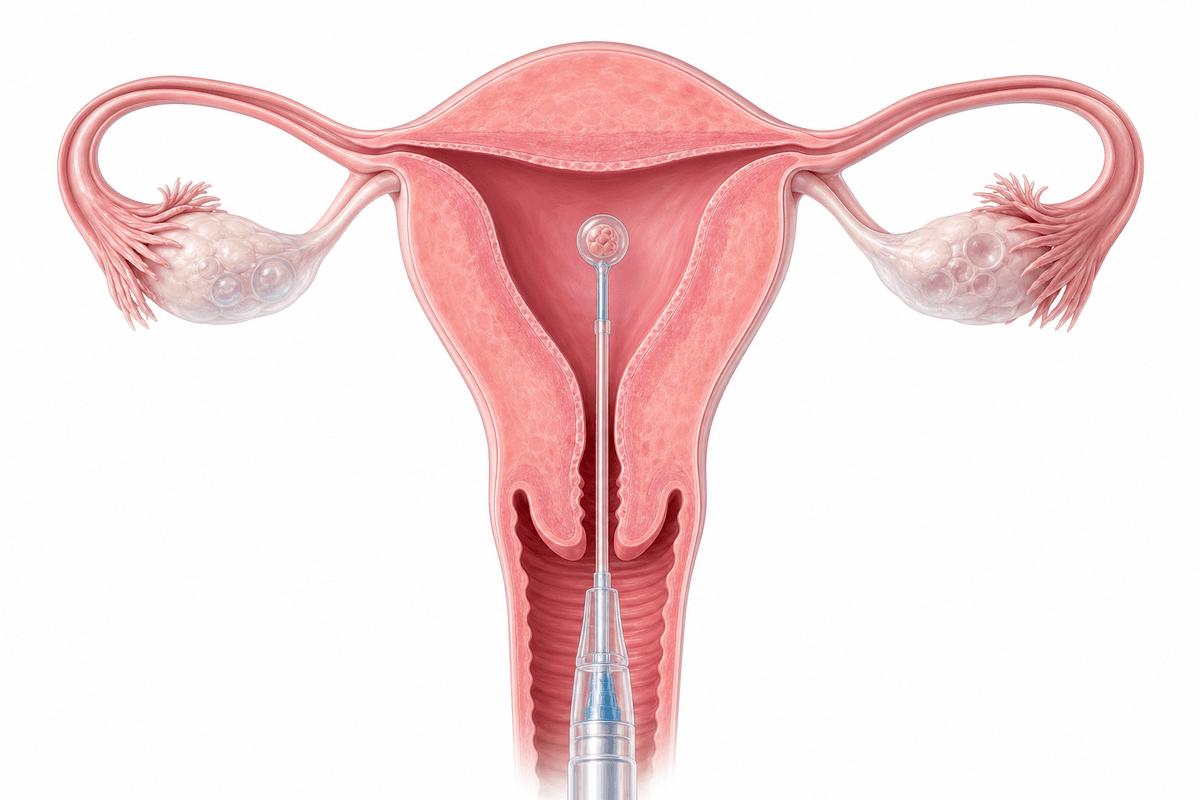
One or more embryos, typically cultured for 3-5 days, are transferred into the intended mother's uterus using a thin catheter. The process is usually painless and takes just a few minutes.
A structured, patient-first approach from first consultation to full recovery.
Dr Bhavana evaluates your medical history, performs necessary tests, and discusses whether donor egg IVF is suitable for your situation. She explains the process, timelines and what to expect at each stage.
The donor's cycle is coordinated with your uterine preparation. Dr Bhavana prescribes medications to optimise your endometrial lining and monitors your progress through ultrasounds and blood work.
After egg retrieval and fertilisation, Dr Bhavana and the embryology team monitor embryo development. She discusses with you how many embryos to transfer based on quality and individual factors.
Dr Bhavana performs the embryo transfer and provides detailed instructions for the following days. She schedules a pregnancy test approximately two weeks after transfer and provides ongoing support throughout.
What to expect at each stage of your recovery journey.
Rest for the remainder of the day after embryo transfer. You may experience mild cramping or spotting, which is normal. Avoid strenuous activities and follow medication instructions carefully.
Resume light daily activities but avoid heavy lifting, vigorous exercise and sexual intercourse. Continue all prescribed medications. Some women feel anxious during this waiting period, which is normal.
If the test is positive, continue medications as directed and schedule an ultrasound. If negative, your doctor will discuss next steps, which may include another cycle or alternative approaches. Individual recovery timelines vary.
Donor Egg IVF may result in a successful pregnancy and live birth. However, not every cycle results in pregnancy, and outcomes depend on multiple factors including embryo quality, uterine receptivity and individual health conditions.
If more than one embryo is transferred and both implant, multiple pregnancy may occur. This carries additional risks for mother and babies. Single embryo transfer reduces this risk but may also reduce the chance of pregnancy.
The child will not have a genetic connection to the intended mother, which some families need time to process emotionally. However, the intended mother carries the pregnancy and gives birth, creating a biological connection through gestation.
Even with healthy donor eggs and optimal conditions, pregnancy is not guaranteed. Implantation depends on factors that are not fully controllable, and some couples may need multiple cycles or may not achieve pregnancy.
The right choice depends on your diagnosis, risks and circumstances — discussed with you at your consultation.
If a woman has some viable eggs remaining, attempting IVF with her own eggs may be tried first. This is considered when egg reserve is low but not absent, and when the woman wishes to have a genetic connection to the child.
Using donated embryos from another couple who completed their family building. This option may be considered when both egg and sperm quality are concerns, or based on personal preference and availability.
Building a family through legal adoption of a child. This non-medical alternative is considered by those who decide not to pursue further fertility treatments or prefer this path to parenthood.
Let's clear up some of the most common myths about donor egg ivf.
Get a personalised assessment from an experienced specialist. Understand your options, ask your questions, and decide with confidence.